
Does Pet Insurance Cover Pre-Existing Conditions? Here's What You Need to Know!

When you're buying pet insurance, it's crucial to understand what is and isn't covered. So, let's talk about pre-existing conditions and how they impact pet insurance.
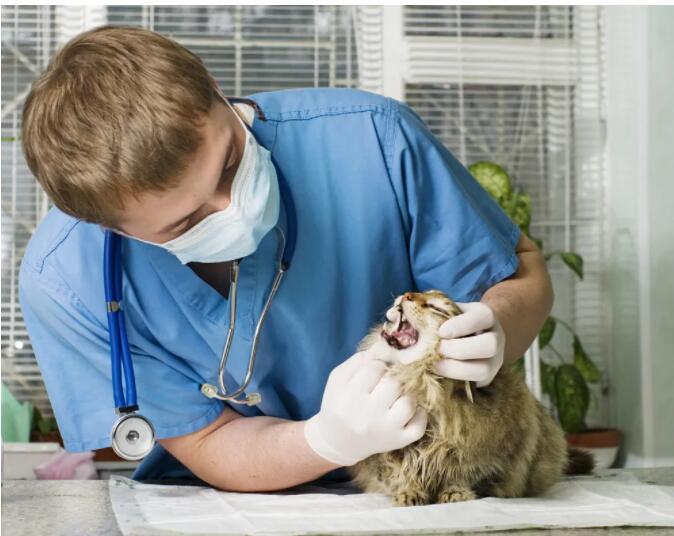
Pet Insurance

What Are Pre-Existing Conditions? 

Most pet insurance companies define "pre-existing conditions" as any illness or injury that first appeared or was diagnosed before you purchased pet insurance or during the waiting period. This could be anything from a chronic limp that a dog has had since birth to a cough that showed up just days before you bought your policy.


How Do Pet Insurance Companies Handle Pre-Existing Conditions? 

We looked into some common pet insurance companies to see how they define and handle pre-existing conditions. Here's a quick summary.

  1. "Like all pet insurance companies, we can't cover illnesses that first appeared or showed symptoms before the policy's start date or during the waiting period."

  2. "No pet insurance company covers pre-existing conditions, though each company defines them differently. If your pet has been symptom-free for 180 days, we no longer consider it a pre-existing condition."

  3. "Pre-existing conditions won't prevent you from getting insurance, but they won't be covered. If a condition is curable, it might be covered after 12 months without symptoms. If it's incurable, it won't be covered."

  4. "Pre-existing conditions refer to any illness or symptoms present before your policy's effective date. No insurance company covers these."

  5. "Pre-existing conditions usually mean any illness or injury your pet had before you got insurance. The good news? If a vet confirms that a condition has been cured for at least six months, you might be able to get it covered."

  6. "Pre-existing conditions, according to the company, are those that first appeared or showed symptoms before or during the waiting period. No pet insurance company covers these."

    Dog

Questions to Ask Your Insurance Company 

If you suspect your pet has any pre-existing conditions, make sure to talk to your intended insurance company before buying a policy. For most companies, if a condition is curable, it might be covered. But if your pet has a chronic condition like diabetes, it's unlikely to be covered. However, if your diabetic dog is hit by a car, that would be covered under the policy.

Can Pets with Pre-Existing Conditions Get Insurance? 

Many pet owners wonder if their pets with pre-existing conditions can get insured. The answer is yes, but there may be limitations. Some companies have age restrictions, while others offer insurance for older pets. Even if your pet has a pre-existing condition, it doesn't mean they can't get insurance. However, certain conditions or related issues won't be covered.

Given all this, the best time to get insurance for your pet is when they're young and healthy. That way, you won't have to worry about pre-existing conditions excluding you from coverage.

Comments

People Like These Posts About Pets

Why Is Your Cat Rubbing Its Eyes? Understanding Feline Conjunctivitis

Conjunctivitis is when the conjunctiva—the clear tissue lining the inside of your cat's eyelids and covering the white part of the eye—gets inflamed. Normally, the conjunctiva is moist and shiny, with tiny blood vessels visible through the translucent tissue. It acts as a barrier, trapping tiny particles in the air and helping to keep viruses and bacteria from getting into your cat's eyes. Conjunctivitis is one of the most common eye issues in cats. It could be the only problem with your cat’s eyes or it might be related to another condition or abnormality.   Causes of Conjunctivitis in Cats Conjunctivitis in cats can have many different causes, including: Viral infections like herpesvirus or calicivirus Eye infections caused by chlamydia Bacterial infections Problems with the cornea Issues with tear production Infections or abnormalities of the eyelids Contact with foreign substances like plant material, fibers, sand, or chemicals Environmental irritants Trauma to the eye Idio...

Discover Your Perfect Furry Companion: 7 Dog Breeds Who'll Be Your Loyal Best Friend for Life!

Check out these 7 doggos! They’re all about loyalty, sticking to just one owner for life. If you’ve got one of these, hold onto it tight! Border Collie These pups are super smart and fiercely loyal. They’re all about protecting their turf and their hooman. But watch out, they can be a bit cheeky sometimes. Treats are your best friend when it comes to training these smarty-paws.   German Shepherd They’re like the ultimate loyal companions. Smart, gentle, and always ready to protect their fam. Just be ready for some shedding action, especially if you’re not careful with their diet. Keep it healthy with some fish oil for shiny coats and happy pups.   Tibetan Mastiff These fluffballs are like the guardians of the house. Super loyal and always on guard to protect their pack. They’re basically the ultimate bouncers for your home.   Akita Once they’ve bonded with their hooman, they’re in it for life. These guys are serious about protecting their fam and can be a bit territorial....

How Do Dogs Use Their Amazing “Human Radar”?

Ever heard a dog owner say their pet can sense a person's character, sometimes even before the humans themselves figure it out? Dogs seem to know when someone's up to no good or when their owner's mood shifts from happy to sad or from calm to angry. So, how do they manage to pull off these incredible feats? Let's dive into the fascinating world of a dog's "human radar".   Super Sniffers and Keen Listeners Science has given us some clues about these amazing abilities, mostly revolving around their supercharged senses. Dogs rely on their sense of smell, hearing, and sight much more than we do. Their noses are ridiculously powerful, capable of detecting all sorts of chemical signals from our bodies. When we're nervous or scared, we release hormones like adrenaline and cortisol. Dogs can sniff out these changes, giving them a read on our emotional state.   Dogs also have extraordinary hearing. They can pick up on the tiniest changes in our voices—tone, pit...

Why Do Dogs Howl Like Wolves?

Hey, guys! You might have noticed your furry friend sometimes letting out a sound that reminds you more of a howling wolf than a typical dog bark. It's kind of mysterious, isn't it? Well, today, we're gonna dive into this topic and try to figure out why dogs sometimes opt for that deep, resonant howl instead of their usual bark. First things first, let's acknowledge that dogs and wolves are related. They share a common ancestor and, biologically speaking, they're not that far apart. This genetic connection means that dogs have retained some of the wolf's instinctive behaviors, and howling is one of them. It's like a throwback to their wild ancestors, a reminder of where they came from. But why do they howl now? After all, most dogs today are domesticated and live in comfortable homes, far from the wilderness. Well, there could be several reasons behind this. One reason is that dogs howl as a way of communicating. Think of it as their version of singing a son...

The Hidden Cruelty Behind Adorable Teacup Dogs

Have you ever heard of "teacup dogs"? These tiny creatures, originating from the United States, are named for their ability to fit into a teacup due to their unusually small size. With their cute appearance and petite bodies, they can be easily cradled in one hand, and their gentle and obedient nature makes them irresistible to pet lovers. Even the toughest of men can be softened by their charming charms. It's hard to imagine anyone who doesn't fall for their irresistible charm... Celebrities and socialites are especially enamored with these dogs, often carrying them around in their handbags as a fashion accessory. It's a convenient way to enjoy the joy of pet ownership anytime, anywhere. Teacup dogs gain immense popularity, with prices soaring to hundreds, even thousands dollars. They occupy a premium position in the pet market. However, what many people don't know is that behind their cute and adorable appearance lies a human-created tragedy. The first teacu...

Why Do Dogs Spin in Circles Before Pooping? Discover the Surprising Reasons!

Ever wondered why your dog insists on doing a little dance before dropping a deuce? It's more than just a quirky habit. Let's dive into the fun and fascinating reasons behind this pre-poop ritual. "Territory Marking" Behavior In the wild, a dog's ancestors had a strong sense of territory. They marked their domain with urine and feces to tell other animals, “This is my turf!” When your dog spins around before pooping, it's likely assessing the area to see if it's a good spot for leaving their mark.   Magnetic Field Theory This one's a bit out there, but some folks believe that dogs are influenced by the Earth's magnetic fields when they poop. They might be trying to find that perfect pooping spot. There's no solid science to back this up, but it's an intriguing and fun theory nonetheless.   Habit and Ritual For many dogs, spinning before pooping is just a habit or a ritual. Like how humans might have certain routines before bed, dogs might f...

Are dogs smarter than cats?

Hey, folks! Let's dive into a fun and often-debated topic: are dogs smarter than cats, or is it the other way around? This isn't just a matter of pet preference; it's a question of cognitive abilities and behavior patterns. So, grab a cup of your favorite brew, settle in, and let's have a chatty debate about which of these furry friends reigns supreme in the intelligence department. First, let's tackle the elephant in the room: what do we mean by "smart"? Intelligence isn't a one-size-fits-all concept. It can manifest in different ways, from problem-solving skills to social cognition. And when we're talking about animals, especially pets, we're often referring to how well they adapt to their environments, learn new tricks, and interact with humans. Now, let's give the dogs their due. Dogs are known for their incredible ability to be trained and learn commands. They excel in obedience schools, mastering tricks like "sit," "sta...

Why Your Dog Won't Stop Barking: Discover the Reasons and Solutions

Hey there, fellow dog lovers! If you're reading this, chances are you've got a furry friend who's making a lot of noise. Non-stop barking can be frustrating, but don't worry—we're here to help you understand why your dog might be barking so much and what you can do about it. Let's dive in!   Why Does My Dog Bark Non-Stop? Dogs bark for many reasons, and figuring out why your pup is barking is the first step to calming them down. Here are some common reasons.   Attention-Seeking : Dogs are smart and know how to get our attention. If your dog barks and you respond (even if it's to tell them to be quiet), they've learned that barking works. Boredom : Dogs need mental and physical stimulation. Without enough playtime or exercise, your dog might bark out of sheer boredom. Anxiety or Fear : Loud noises, strangers, or being left alone can cause anxiety. If your dog barks when you leave the house, they might be experiencing separation anxiety. Territorial Behavi...

How to Help Your Cat Live a Long and Happy Life: Tips for Feline Longevity

Cats are said to have nine lives, but we know that's just a saying, right? Cats might seem to have a bit of magic in them—they land on their feet, dart away from danger, and somehow avoid catastrophe. It's no wonder that they have a reputation for being mysterious and even spiritual. But in reality, cats have just one life, and it's up to us to make sure they live it to the fullest. If you want your feline friend to live a long and happy life, here are a few key things to keep in mind:   Spay or Neuter Getting your cat spayed or neutered is more than just preventing unwanted litters. It also reduces certain health risks and can even calm your cat's wanderlust, keeping them safe at home. By reducing the urge to roam, you lower the chances of your cat getting into accidents or fights. Plus, spaying or neutering can reduce the risk of certain cancers like prostate cancer in males and mammary cancer in females.   Regular Vet Visits No cat loves a trip to the vet, but regula...

Calming Kitty Fears: A Guide to Understanding and Treating Cat Phobias

Fear is a natural and functional response to stimuli that can be perceived as threats. If we or our cats had no fear at all, it could lead us into serious trouble. But when fear becomes excessive or irrational, it turns into a phobia—an intense and unnecessary fear that's no longer protective but rather dysfunctional.   Some cats seem scared of almost everything unfamiliar, whether it's people or other cats. They might hide when visitors arrive and even avoid other cats. Generally, these cats do better in smaller, familiar environments with just a few trusted humans or accepted feline companions.   The root of such phobias often lies in a combination of genetics and environment. Some cats are predisposed to fear because of their genetic makeup. If their parents or grandparents were overly fearful, that trait might be passed down. But genes are just part of the puzzle. A kitten's early experiences are just as important, if not more so. A cat that's prone to fear genetica...